Русский
 Türkçe
 Tiếng Việt
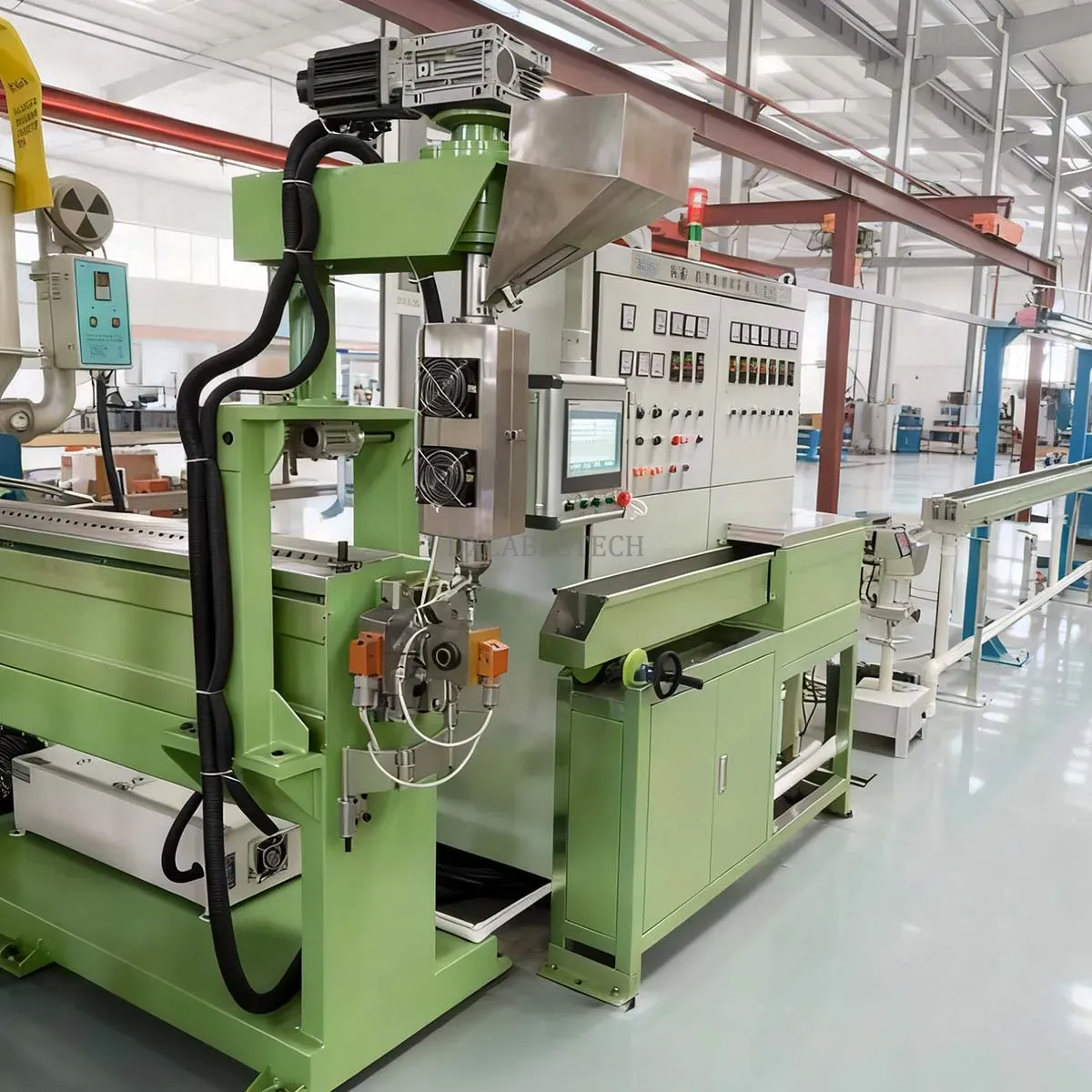
Extruder screw slippage at high load is one of those problems that rarely appears suddenly.
Most of the time, it builds up quietly — until output drops, torque spikes, or material quality becomes unstable.
From a manufacturing-side perspective, screw slippage is not a single mechanical failure, but a signal that the extrusion system is operating beyond its stable balance point.
Understanding why slippage happens under high load is far more useful than chasing quick fixes.
What “Screw Slippage” Really Means in Production
In theory, an extruder screw should:
rotate at a stable speed
convey material forward consistently
convert torque into controlled melt flow
In real production, slippage means:
screw rotation increases
material throughput does not increase proportionally
torque rises without output gain
At high load, the screw is turning but not effectively pushing material.
This is not just inefficiency — it is instability.
Why High Load Makes Slippage More Likely
High load conditions amplify weaknesses that remain hidden at moderate loads.
Typical high-load situations include:
high filler or high-viscosity compounds
increased output demand without speed margin
low melt temperature combined with high back pressure
aggressive compression or mixing sections
At these conditions, the extrusion system has less tolerance for variation.
Small problems suddenly matter.
The Most Common Root Causes (Manufacturing Reality Version)
1. Material Feeding Is the Real Bottleneck
In many cases, slippage starts before the screw.
Common feeding-related issues:
inconsistent bulk density
poor hopper flow
bridging or rat-holing
regrind variation
Under high load, even slight feeding inconsistency causes the screw to lose effective grip on material.
The screw cannot push what it cannot grab.
2. Melt Temperature Is Too Low for the Load
Running cooler often feels “safer” in production.
But at high load:
viscosity rises
shear resistance increases
torque demand spikes
The screw may rotate, but the material resists forward movement.
This creates classic high-load slippage symptoms.
Importantly, this is process-related, not mechanical failure.
3. Screw and Barrel Wear (Often Ignored)
Wear rarely causes problems at low load.
At high load, wear becomes critical.
Typical wear effects:
reduced channel depth effectiveness
increased backflow
loss of compression efficiency
Worn screws can still run — just not efficiently under stress.
Slippage here is gradual and often misdiagnosed as “material issues”.
4. Excessive Back Pressure from Downstream Equipment
High load is not always created inside the extruder.
Downstream causes include:
small or partially blocked die openings
unstable crosshead alignment
fluctuating cooling resistance
When back pressure rises faster than screw conveying ability, slippage follows.
This is why changing the screw alone often does not solve the issue.
5. Pushing Output Beyond Stable Operating Range
Every extrusion line has a stable production window.
At high load, problems often appear when:
speed increases faster than heat transfer
output is pushed beyond thermal balance
operators compensate with torque instead of stability
Peak output looks good on paper, but slippage is the cost.
Why “Fixing” Slippage Is Often Misunderstood
Many factories respond to slippage by:
increasing screw speed
increasing motor power
tightening downstream restrictions
These actions often mask the problem temporarily while increasing long-term wear.
True fixes reduce resistance, not brute-force torque.
Practical Fixes That Actually Work in Real Factories
1. Stabilize Feeding Before Touching the Screw
Simple but effective actions:
check hopper flow consistency
reduce material variation batch-to-batch
avoid mixing regrind blindly at high load
Stable feed improves screw grip more than most mechanical changes.
2. Adjust Temperature for Load, Not Habit
At high load:
slightly higher melt temperature can reduce torque dramatically
stable viscosity matters more than conservative settings
This does not mean overheating — it means matching thermal energy to resistance.
3. Reduce Back Pressure Where Possible
Look downstream:
die design and cleanliness
crosshead alignment
unnecessary restrictions
Lower back pressure restores effective conveying without increasing speed.
4. Accept That Worn Screws Have Limits
A worn screw may still run, but:
high-load operation accelerates failure
slippage increases unpredictability
In many OEM factories, the real fix is adjusting expectations, not chasing peak output.
5. Prioritize Consistency Over Maximum Throughput
Stable extrusion rarely slips.
Unstable extrusion almost always does.
Reducing output slightly often:
lowers torque
improves surface quality
eliminates slippage
This tradeoff is invisible in quotations, but obvious in production.
How to Diagnose Slippage Without Special Instruments
In real factories, you can often identify slippage by observing:
torque rising faster than output
pressure fluctuations without speed change
material degradation despite lower output
operator compensation becoming frequent
These patterns matter more than single readings.
Slippage Is a System Problem, Not a Screw Problem
The biggest mistake is treating slippage as:
“The screw is bad.”
In reality, slippage reflects system imbalance between:
material
temperature
pressure
wear
production expectations
Fixing one element without addressing the others rarely works.
Long-Term View: Why Slippage Predicts Bigger Issues
Persistent high-load slippage often precedes:
accelerated screw and barrel wear
motor stress
inconsistent product quality
unplanned downtime
Seen this way, slippage is an early warning, not just a defect.
Final Manufacturing-Side Perspective
Extruder screw slippage at high load is not a failure to push harder.
It is a signal to operate smarter.
Factories that reduce slippage do so by:
stabilizing inputs
respecting process limits
prioritizing consistency over peak numbers
When the extrusion system is balanced, slippage largely disappears — even at high output.
Explore the complete cable manufacturing system:
→ Cable Manufacturing Process & Equipment Guide