Русский
 Türkçe
 Tiếng Việt
As we enter 2026, the global cable industry is undergoing rapid transformation. Demand for high-performance cables is surging due to widespread adoption of renewable energy systems, electric vehicle charging infrastructure, data centers, 5G/6G networks, and intelligent power grids. These applications require cables with superior electrical properties, mechanical strength, and long-term reliability. However, many manufacturers continue to face persistent production challenges that lead to defects, downtime, reduced yield, and higher costs.
At DOSING CABLETECH, we provide complete turnkey cable production solutions, including advanced extrusion lines, high-speed stranding machines, precision wrapping systems, and automated take-up equipment. Drawing from years of experience supporting customers worldwide, this detailed FAQ covers the most common pain points in the four core processes—extrusion, stranding, wrapping, and take-up—along with practical solutions to help manufacturers improve quality and efficiency.
Extrusion Process Pain Points and Solutions
Extrusion is the foundation of insulation and sheathing layers. Even minor inconsistencies in temperature, pressure, or material flow can result in serious defects.
Eccentricity and Uneven Wall ThicknessCauses: Improper die centering, unstable traction speed, fluctuating conductor diameter, or incorrect draw-down ratio. Solutions: Adopt automatic centering crossheads, servo-controlled traction systems, and online diameter measurement with feedback loops. Triple-layer co-extrusion heads with independent pressure control can keep eccentricity below 5% and ensure compliance with IEC 60502 and UL standards.
Surface Defects (Roughness, Scorch Marks, or Poor Plasticization)Causes: Incorrect temperature zoning, screw residue accumulation, excessive shear heat, or contaminated/damp raw materials. Solutions: Use PID-controlled multi-zone heating, low-compression barrier screws for better melt homogeneity, and mandatory material drying systems. Regular screw and barrel cleaning schedules prevent long-term buildup.
Bamboo Joints or Air BubblesCauses: Unstable line tension, inadequate cooling, moisture in compounds, or fluctuating screw speed. Solutions: Install dancer accumulators for constant tension, multi-stage cooling troughs with filtered water circulation, and vacuum hopper dryers. These measures are especially critical when processing XLPE for medium- and high-voltage cables.
Low Density or Voids (Common in Tubing Extrusion)Causes: Insufficient melt pressure or air entrapment. Solutions: Switch to pressure extrusion tooling, incorporate nitrogen gas injection for foaming control, and optimize screw L/D ratio for better compaction.
Modern high-speed extrusion lines capable of 500–1200 m/min can dramatically reduce these issues when equipped with PLC automation and real-time monitoring.
Stranding Process Pain Points and Solutions
Stranding determines cable flexibility, conductivity, and structural integrity. Uneven tension or lay length control often leads to performance failures.
Uneven Strand Tension Causing Loose or Over-Tight CoresCauses: Inconsistent pay-off tension, worn bobbins, or mechanical brake variations. Solutions: Use shaftless active pay-offs with magnetic hysteresis or servo tension control. Electronic tension monitoring ensures uniform force across all strands.
Irregular Lay Length or Back-Twist IssuesCauses: Mechanical wear in high-speed bunchers or incorrect gear ratios. Solutions: Deploy double-twist bunching machines with programmable lay length and 100% back-twist compensation. Digital control systems allow quick changeovers for different cable specifications.
Conductor Deformation in Compact StrandingCauses: Excessive die pressure or improper roller design. Solutions: Choose planetary or rigid frame stranders with pre-spiral and post-compaction dies calibrated to achieve optimal fill factor (typically 92–95%) without damaging individual wires.
Wrapping (Taping/Lapping) Process Pain Points and Solutions
Wrapping provides shielding, separation, or fire protection layers, but overlap inconsistency can compromise performance.
Uneven Overlap or Tape WrinklingCauses: Fluctuating line speed, poor tape pad tension, or misalignment of taping heads. Solutions: Implement concentric or tangential taping heads with servo-driven pad control and automatic overlap adjustment. Optical sensors detect and correct wrinkles in real time.
Tape Breakage or Poor AdhesionCauses: Low-quality tape, excessive tension, or dust contamination. Solutions: Use constant-tension pay-off creels with dancer arms and integrate air blowers or ionization units to keep the core clean before wrapping.
Multiple Layer MisalignmentCauses: Cumulative errors in multi-head setups. Solutions: Vertical or horizontal accumulators between layers stabilize tension and allow precise synchronization.
Take-Up and Pay-Off Process Pain Points and Solutions
The final winding stage directly affects packaging, transportation, and downstream processing.
Uneven Winding or Coil CollapseCauses: Improper traverse control or fluctuating tension during layering. Solutions: Portal-type or gantry take-up stands with electronic traverse and programmable tension taper functions ensure neat, stable reels.
Excessive Tension Variation During Speed ChangesCauses: Mechanical inertia in large reels. Solutions: AC servo motors with direct drive and dynamic tension control maintain consistency from start to full reel.
Reel Damage or Labeling ErrorsCauses: Manual handling or outdated systems. Solutions: Fully automatic dual take-up systems with reel changers, barcode labeling, and weight monitoring streamline operations and reduce labor.
Conclusion
In 2026, cable manufacturers who proactively address these pain points through equipment upgrades and process optimization will gain significant competitive advantages—higher yield rates, lower scrap costs, faster production speeds, and better product quality.
If you are planning to upgrade your extrusion line, stranding machine, wrapping equipment, or take-up system, the team at DOSING CABLETECH is ready to provide customized solutions tailored to your specific cable types and production goals. Contact us today for expert consultation and turnkey project support.
Stay ahead in the evolving cable industry—optimize your production line now for sustained success in 2026 and beyond.
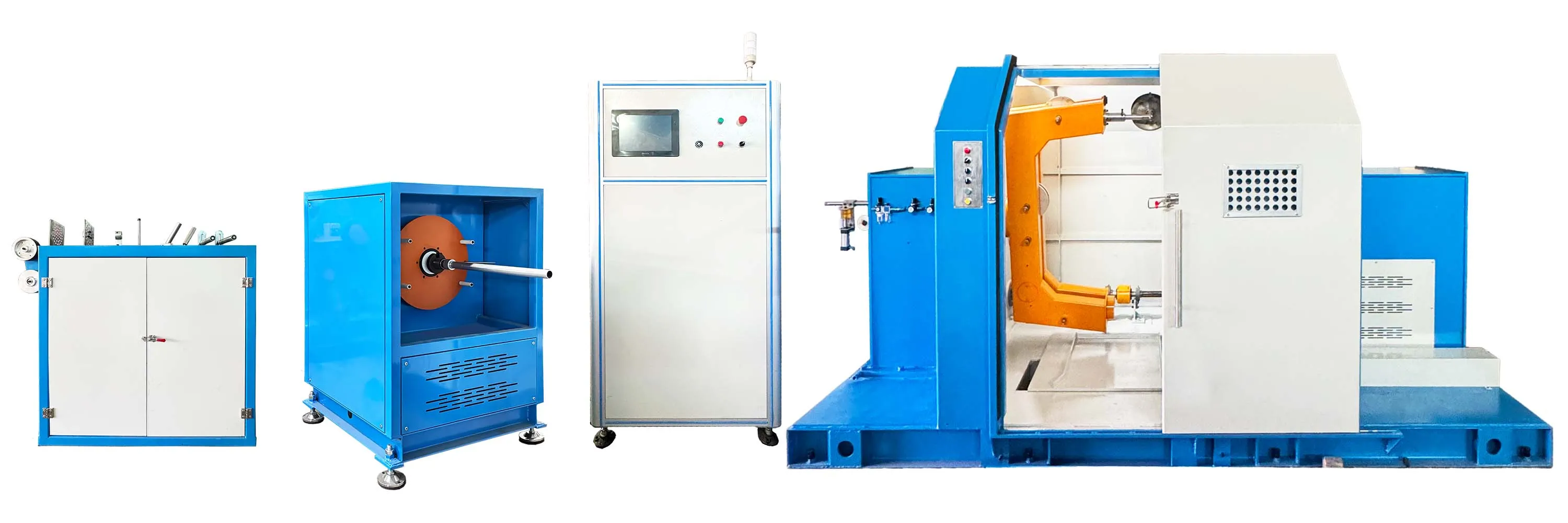
Explore the complete cable manufacturing system:
→ Cable Manufacturing Process & Equipment Guide