Русский
 Türkçe
 Tiếng Việt

In the rapidly evolving world of power transmission, data communication, and industrial infrastructure, selecting the right cable equipment—including power cables, control cables, communication cables, fiber optics, and accessories—remains one of the most critical decisions for engineers, project managers, and procurement teams. With the global wire and cable market projected to exceed USD 233 billion in 2025 and continue growing at a CAGR of around 5-8% through 2030 (driven by renewable energy, 5G/6G rollout, AI data centers, and grid modernization), getting it wrong can lead to costly downtime, safety risks, or compliance failures.
At DX Cable Tech, we help clients worldwide navigate these challenges with high-quality, certified solutions. This comprehensive 2026 guide addresses the Top 20 most frequently asked questions on budget planning, technical specifications, and manufacturer/supplier selection—drawn from real industry inquiries, market trends, and expert insights. Whether you're sourcing for industrial projects, renewable energy installations, or data centers, these answers will empower smarter, more cost-effective decisions.
Why Cable Procurement Matters More Than Ever in 2026
The shift toward electrification, smart grids, HVDC links, and high-speed networks has intensified demand for reliable cables. Key trends include:
Rising adoption of low-smoke zero-halogen (LSZH) and fire-resistant cables for safety.
Surge in fiber optic and high-voltage cables for 5G, AI data centers, and offshore wind.
Emphasis on sustainability, lifecycle costs, and certifications (IEC, UL, CPR, RoHS).
Poor choices can result in voltage drops, overheating, or premature failure—potentially increasing total ownership costs by 30-50%. Let's dive into the most common questions.
Top 20 FAQs: Budget, Specifications, and Manufacturer Selection
1. How should I realistically plan my cable equipment budget in 2026?Allocate 55-65% to the cable itself, 20-30% to accessories (joints, terminations, supports), and the rest to installation, testing, and logistics. Factor in lifecycle costs—not just upfront price. With material prices fluctuating (copper/aluminum volatility), aim for 10-15% contingency. Bulk orders or long-term contracts can yield 15-25% savings.
2. What are the biggest hidden costs in cable procurement?Beyond purchase price: transportation (especially for long HV cables), customs/duties for imports, installation downtime, maintenance, and potential failures. Low-smoke zero-halogen or fire-rated cables cost 20-40% more initially but reduce insurance premiums and fire risks.
3. How do I calculate the right conductor size and avoid overspending?Use current-carrying capacity (ampacity), voltage drop (target <3-5%), and derating factors (temperature, grouping, burial depth). Formula: Voltage drop = (2 × Length × Current × Resistance) / 1000. Tools like IEC 60364 calculators or manufacturer software help. Oversized cables waste money; undersized ones cause overheating.
4. Copper vs. Aluminum: Which saves more on budget without sacrificing performance?Aluminum is 30-50% cheaper and lighter, ideal for long runs in power distribution. Copper offers better conductivity and corrosion resistance—better for high-flex or harsh environments. For large projects, aluminum often wins on total cost when properly sized.
5. What voltage rating should I specify for my application?
Low voltage (≤1kV): Residential/commercial.
Medium voltage (1-35kV): Industrial/distribution.
High/extra-high (>35kV): Transmission, renewables, HVDC. Always match or exceed system requirements per IEC/GB standards to prevent insulation breakdown.
6. How important are insulation and sheathing materials?Critical for longevity. PVC is economical but limited in temperature/chemical resistance. XLPE (cross-linked polyethylene) excels in medium/high voltage (up to 90°C+). EPR for flexibility in mining/offshore. LSZH/FR for fire safety in buildings/tunnels.
7. What shielding do I really need—and is it worth the extra cost?Shielding (foil, braid, or both) reduces EMI/RFI. Essential for data/communication cables (Cat6A, fiber) and sensitive control systems. Unnecessary for pure power in non-interference environments—can add 10-20% to cost.
8. How do fire performance ratings affect my choice?Under CPR (EU) or similar standards: Aca to Fca classes. For public buildings, aim for Cca-s1a,d0,a1 or better. Fire-resistant (e.g., mica-taped) vs. flame-retardant—choose based on evacuation time and regulations.
9. What certifications should a reputable manufacturer have?Mandatory: ISO 9001, CCC (China), UL, IEC, BASEC, CPR. Look for third-party type-test reports and factory surveillance. Avoid unverified suppliers—fake certifications are common.
10. How can I quickly verify a cable manufacturer's credibility?Check: Years in business (10+ preferred), project references (e.g., grid/high-speed rail), traceability (QR codes/serial numbers), and customer testimonials. Visit factories if possible or request recent audit reports.
11. Domestic vs. international suppliers: Which offers better value in 2026?Domestic (e.g., Chinese manufacturers like DX Cable Tech) provide excellent quality-to-price ratios (20-40% lower than imports) with fast delivery. International for ultra-premium or specific tech (e.g., European HVDC expertise).
12. How do I negotiate better pricing without compromising quality?Request quotes from 3-5 certified suppliers. Use volume commitments, standardized specs, or annual contracts. Ask for tiered pricing and value-adds like free testing or extended warranty.
13. What questions should I ask suppliers about lead times and availability?Current backlog, raw material sourcing, production capacity, and expedited options. In 2026, high-demand items (e.g., 400G fiber, HVDC) may have 6-12 month waits.
14. How much should accessories add to my total budget?Typically 20-35%. Include compatible joints/terminations—mismatched accessories cause most failures.
15. What's the minimum bend radius I must respect?Usually 8-15× cable diameter (check spec sheet). Exceeding it damages insulation—factor into routing design.
16. How do environmental factors influence specs and cost?UV, chemicals, oil, extreme temps require specialized jackets (e.g., CPE, Hypalon). Outdoor/buried: Armored cables add cost but extend life.
17. Should I prioritize smart/intelligent cables?For future-proofing: Yes, in data centers or critical infrastructure. Embedded sensors enable predictive maintenance—higher upfront but lower long-term costs.
18. How to handle voltage drop in long cable runs?Calculate accurately and upsize if needed. Parallel runs or higher voltage systems reduce drop.
19. What derating factors are most commonly overlooked?Ambient temperature (>30°C), grouping in conduits, burial depth, soil thermal resistivity. Apply correction factors from IEC tables—can reduce ampacity by 20-50%.
20. How do I future-proof my cable selection for 2030 trends?Opt for modular designs, higher categories (e.g., Cat8, OM5 fiber), and materials supporting higher power (e.g., for EV charging, AI servers). Plan for upgrades in data rates and sustainability.
Final Tips for Smarter Cable Procurement in 2026
Always request detailed datasheets, type-test reports, and samples.
Use lifecycle cost analysis (TCO) over lowest initial price.
Partner with experienced suppliers offering design support and after-sales service.
At DX Cable Tech, we provide customized solutions backed by certifications, competitive pricing, and expert guidance. Visit our news section for more insights or contact us for a free consultation and quote.
Make informed choices today—secure your projects for tomorrow. Share this guide if it helped your decision-making!
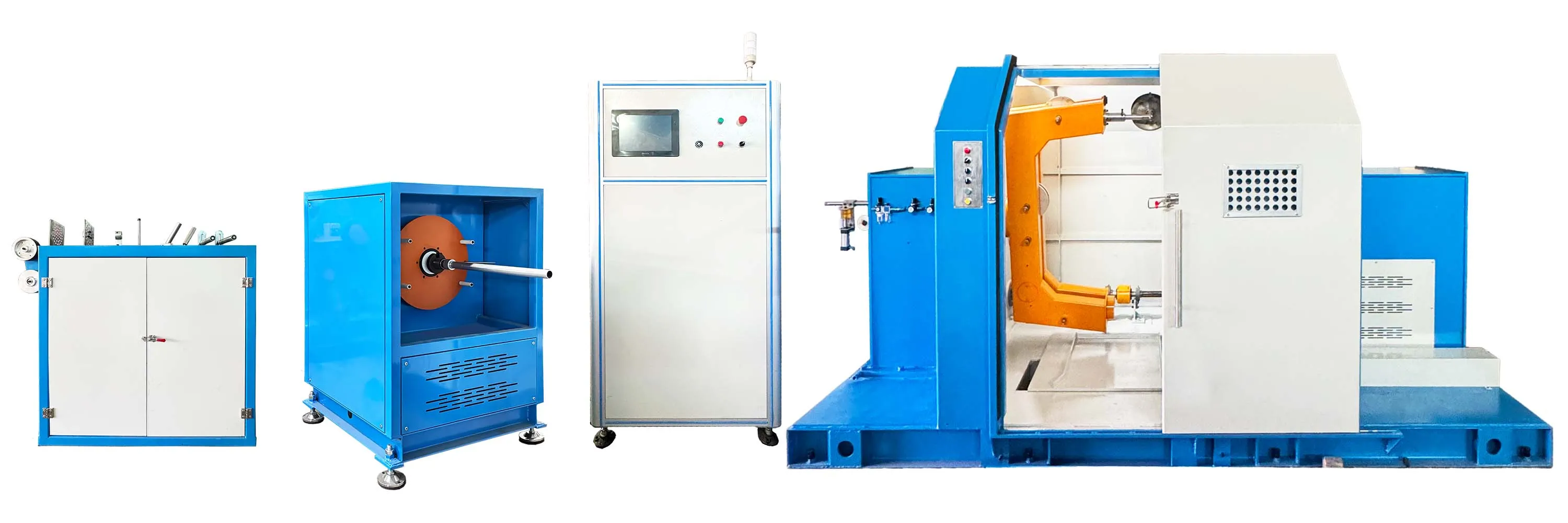
Explore the complete cable manufacturing system:
→ Cable Manufacturing Process & Equipment Guide