Русский
 Türkçe
 Tiếng Việt
An In-Depth Engineering Guide for Cable Manufacturers
Overheating in a cable making machine is one of those issues that can silently sabotage a production line. At first, it may appear as a subtle rise in motor temperature or a small smell of burnt insulation. But left unchecked, it can escalate into strand deformation, insulation degradation, premature wear on bearings, or even complete downtime. For high-speed production lines producing PVC-sheathed, foamed, or high-voltage cables, overheating is more than an inconvenience—it is a threat to quality, efficiency, and cost control.
In this technical guide, we explore why overheating occurs, how to diagnose the root causes, and practical solutions for preventing it. Insights are drawn from field data, engineering studies, and experiences from Dongguan Dongxin (DOSING) Automation Technology Co., Ltd., a company with decades of expertise in high-precision cable making equipment.
1. Understanding the Consequences of Overheating
Before solving the problem, it’s crucial to recognize its impact:
Insulation quality degradation: PVC or PE can discolor, soften, or even bubble.
Conductor oxidation: High temperatures accelerate copper or aluminum oxidation.
Bearing and motor damage: Overheating drastically shortens bearing life and can burn out servo motors.
Energy inefficiency: Hot components consume more electricity, increasing operational costs.
Production downtime: Replacing damaged parts can halt the line for hours or even days.
Overheating isn’t just a technical issue; it’s a cost and reliability issue. Modern factories often quantify the cost of a single overheating incident in lost material, labor, and opportunity—sometimes tens of thousands of dollars per day.
2. How a Cable Making Machine Generates Heat
A cable making machine involves multiple heat-generating elements:
2.1 Extruder Motor & Screw
Extrusion motors and screws generate heat through:
Friction between the screw and barrel
High shear rates in viscous polymer melts
Poor lubrication or worn screw surfaces
An extruder running at maximum throughput without proper cooling is a common hotspot.
2.2 Crosshead & Die
The crosshead shapes insulation but also retains heat:
Die restriction increases polymer shear, generating thermal energy
Misaligned crossheads create friction zones
Tooling wear can increase local temperatures
2.3 Gearboxes and Rotating Elements
Stranding gears, take-up motors, and bobbin shafts convert torque into rotation:
Worn or misaligned gears generate extra friction
Bearings may heat due to inadequate lubrication
High RPM amplifies heat production exponentially
2.4 Cooling Systems & Quench Troughs
Ironically, insufficient or uneven cooling can worsen overheating:
Water flow inconsistencies lead to polymer hotspots
Over-reliance on air cooling may fail in high-speed lines
2.5 Environmental Factors
Ambient temperature, ventilation, and line proximity to other heat sources also matter.
3. Diagnosing Overheating in the Cable Making Machine
A systematic approach prevents guessing:
3.1 Monitor Key Temperature Points
Install or check thermocouples at:
Extruder barrel zones
Crosshead surface
Motor housing
Gearbox
Bearings
Sudden spikes or gradual rise patterns reveal root sources.
3.2 Analyze Torque and Load Curves
Overheating often accompanies increased motor torque:
Compare motor load against production speed
Detect overload zones during thick or high-viscosity cable runs
3.3 Inspect Mechanical Wear
Friction caused by worn parts is a hidden heat source:
Screws and barrels: signs of scoring or wear
Bearings: check for play or lubrication issues
Gears: measure backlash and uneven wear
3.4 Check Cooling System Functionality
Water pressure and flow uniformity
Trough alignment and level
Cleanliness and descaling of cooling channels
3.5 Evaluate Polymer Quality
Some overheating issues originate from the raw material:
High-viscosity batches increase shear heat
Contaminants cause melt friction
Incompatible formulations may be heat-sensitive
4. Practical Solutions to Fix Overheating
4.1 Optimize Extruder Operation
Reduce screw speed slightly during high-load runs
Ensure barrel zones maintain uniform temperatures
Replace or recondition worn screws and barrels
Upgrade motors if running at maximum capacity continuously
4.2 Improve Crosshead & Die Efficiency
Re-align the crosshead to reduce friction
Regularly polish and maintain die surfaces
Install temperature sensors on critical zones for real-time monitoring
4.3 Maintain Gearboxes & Bearings
Replace worn gears or bearings
Use high-temperature rated lubricants
Check gearbox alignment and coupling tension
Implement scheduled thermal checks
4.4 Enhance Cooling Systems
Ensure water flow is even across all zones
Consider adding secondary quench or heat-exchange loops
Insulate exposed hot zones where appropriate
4.5 Modern Automation Solutions
Advanced cable lines, including those from Dongguan Dongxin (DOSING) Automation Technology Co., Ltd., integrate:
PLC-controlled temperature management
Closed-loop feedback systems for motor and extruder load
Real-time alarm systems to prevent thermal overload
Automation ensures overheating is detected and mitigated before it affects production.
4.6 Operational Best Practices
Avoid sudden changes in line speed or polymer viscosity
Maintain ambient shop temperature and ventilation
Train operators to recognize early warning signs (smell, color change, vibration)
Use preventive maintenance schedules for bearings, gears, and motors
5. Preventive Maintenance to Avoid Recurring Overheating
The best-performing lines never wait for a failure to appear:
Daily Checks
Motor, screw, and crosshead temperatures
Trough and water flow
Visual check for smoke or discoloration
Weekly Checks
Bearings and gears
Lubrication levels
Thermal imaging scan for hotspots
Monthly / Quarterly
Screw, barrel, and die inspection
Motor and gearbox overhaul
PLC and sensor calibration
Consistent preventive maintenance is far cheaper than emergency downtime.
6. Why Fixing Overheating Matters Today
Modern cable specifications demand:
Consistent insulation thickness
High-speed stranding without defects
Low scrap and reduced rework
High safety and electrical performance standards
Overheating directly compromises these goals. Factories that proactively address thermal management enjoy:
Longer equipment lifespan
Stable production output
Reduced energy consumption
Better product quality and customer satisfaction
Companies investing in advanced thermal control and monitoring, like DOSING, demonstrate measurable reductions in downtime and scrap—sometimes by 30–50%.
Conclusion: Overheating Is a Systemic Issue Requiring Systemic Solutions
A cable making machine overheating problem rarely has a single cause. It involves:
Mechanical wear and alignment
Motor and screw load
Friction in die and crosshead
Cooling efficiency
Material properties and line operation
By systematically monitoring, diagnosing, and addressing each of these areas—and integrating modern PLC and automation systems—manufacturers can prevent overheating, maintain line efficiency, and deliver consistent high-quality cables.
For cable plants, mastering thermal stability is no longer optional. It’s a competitive advantage, enabling safer, faster, and more reliable production while extending the lifespan of high-value machinery. With careful engineering, proactive maintenance, and intelligent monitoring, overheating stops being a threat and becomes a controlled, manageable factor in everyday cable production.
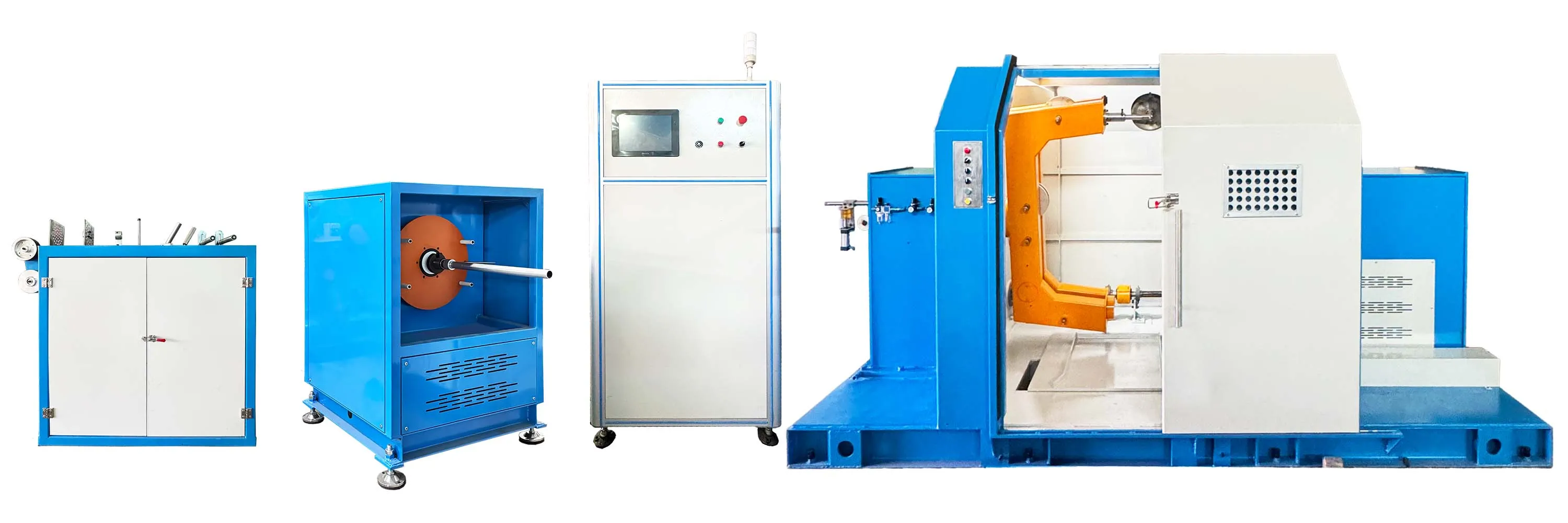
Explore the complete cable manufacturing system:
→ Cable Manufacturing Process & Equipment Guide