Русский
 Türkçe
 Tiếng Việt

The global cable accessories market is entering a critical transition phase. Once viewed as low-differentiation supporting components, cable accessories are now becoming strategic elements in power transmission, telecommunications, industrial automation, and renewable energy systems. As infrastructure projects grow in scale and technical complexity, demand for high-performance, reliable cable accessories is accelerating worldwide.
This article provides a deep-dive analysis into market drivers, technology innovation trends, manufacturing evolution, and long-term growth forecasts, offering a clear perspective for manufacturers, system integrators, and investors.
1. Cable Accessories: From Supporting Role to System-Critical Components
Traditionally, cable accessories such as joints, terminations, connectors, glands, and insulation systems were considered secondary to the cable itself. However, real-world operating data shows that a significant percentage of cable system failures originate at accessory connection points, not within the cable conductor.
As voltage levels rise, installation environments become harsher, and operating cycles shorten, cable accessories are now required to deliver:
Higher electrical stability
Stronger mechanical protection
Longer service life
Greater installation consistency
This shift is redefining the market value of cable accessories and pushing manufacturers toward innovation-driven competition rather than price-based supply.
2. Key Demand Drivers Shaping the Global Market
2.1 Grid Modernization and Power Infrastructure Expansion
Global power grids are undergoing large-scale upgrades driven by renewable integration, cross-border transmission projects, and urban electrification. Medium- and high-voltage cable accessories play a decisive role in ensuring system reliability under fluctuating loads and extreme environmental conditions.
In many emerging markets, outdated cable systems are being replaced, creating long-term replacement demand for standardized and customized cable accessory solutions.
2.2 Renewable Energy and Energy Storage Projects
Solar farms, offshore wind installations, and energy storage facilities impose new requirements on cable accessories, including:
UV and corrosion resistance
Temperature cycling durability
Compact designs for space-constrained installations
Accessories used in these environments must support higher performance thresholds, accelerating innovation in materials and structural design.
2.3 Telecommunications and High-Speed Data Transmission
The rollout of 5G networks, data centers, and fiber-optic infrastructure has driven demand for precision cable accessories that support signal integrity and electromagnetic shielding. Even minor defects at connection points can cause measurable performance loss, pushing telecom operators to favor higher-quality accessory solutions.
3. Technology Innovation Trends in Cable Accessories
3.1 Advanced Materials and Insulation Technologies
Material innovation is one of the most impactful trends in the cable accessories market. Manufacturers are increasingly adopting:
Cross-linked polymers for improved thermal stability
Silicone-based insulation systems for flexibility and longevity
Halogen-free and environmentally compliant materials
These developments are not only driven by performance requirements but also by tightening environmental and safety regulations across global markets.
3.2 Modular and Pre-Engineered Designs
To reduce installation errors and labor costs, cable accessory suppliers are moving toward modular and pre-assembled solutions. These designs ensure consistent quality while shortening installation time on site — a critical advantage for large-scale infrastructure projects.
3.3 Digitalization and Smart Accessories
Although still in early adoption stages, smart cable accessories equipped with sensors and monitoring capabilities are emerging in high-value applications. These systems enable condition monitoring, fault prediction, and lifecycle management, aligning with the broader trend of digital asset management in energy and industrial sectors.
4. Manufacturing Evolution: Equipment and Process Optimization
Behind every advanced cable accessory is a manufacturing process that must meet increasingly strict tolerances. Precision extrusion, controlled taping, accurate twisting, and consistent curing processes are now essential.
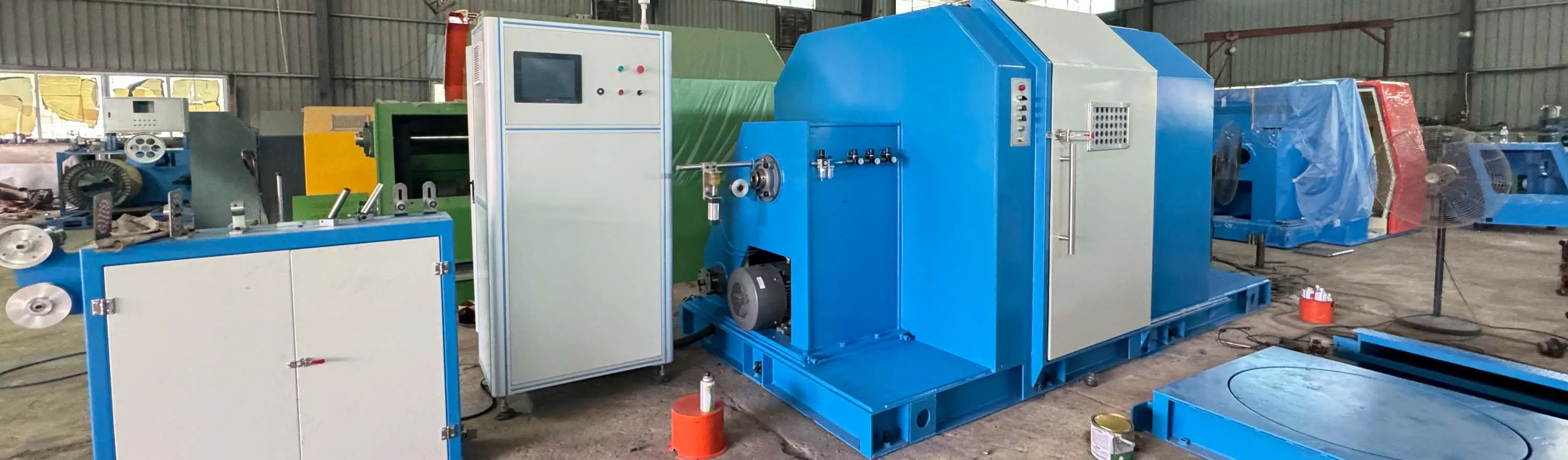
This is where advanced cable machinery and production lines become a competitive advantage. Equipment suppliers such as DOSING Cabletech provide integrated cable manufacturing solutions that support high-precision accessory production while improving efficiency and reducing material waste.
Manufacturers investing in modern cable machinery — including extrusion lines, taping machines, and automated handling systems — are better positioned to meet global quality standards and scale production sustainably.
Explore related equipment solutions in the Products section.
5. Regional Market Dynamics
Asia-Pacific
The Asia-Pacific region remains the fastest-growing market, driven by infrastructure expansion, industrialization, and renewable energy investment. China, India, and Southeast Asia are major demand centers for both standard and customized cable accessories.
Europe
Europe emphasizes high standards, sustainability, and long-term system reliability. Demand is strong for environmentally compliant materials and advanced accessory designs, particularly in renewable and grid-upgrade projects.
North America
In North America, aging infrastructure replacement and data center expansion continue to support steady market growth. Quality certification and installation consistency remain key purchasing criteria.
6. Market Growth Forecast Through 2030
Industry projections indicate that the global cable accessories market will maintain steady compound annual growth through 2030, supported by:
Infrastructure modernization
Renewable energy expansion
Telecommunications investment
Rising safety and performance standards
While pricing pressure remains in low-end segments, value-driven products and technologically advanced solutions are expected to capture increasing market share.
Manufacturers that combine product innovation, process control, and reliable equipment support will be best positioned to benefit from long-term industry growth.
7. Strategic Outlook for Industry Players
The cable accessories market is no longer a passive add-on sector. It is becoming a critical battleground for system reliability, safety, and performance optimization.
For manufacturers and suppliers, success will depend on:
Investing in material and structural innovation
Upgrading production equipment and automation
Aligning with global compliance standards
Partnering with experienced cable machinery providers
Companies seeking long-term competitiveness should view cable accessories not as cost components, but as value-creating system elements.
To learn more about cable manufacturing solutions and industry expertise, visit DOSING Cabletech or contact the team via the Contact Us page.
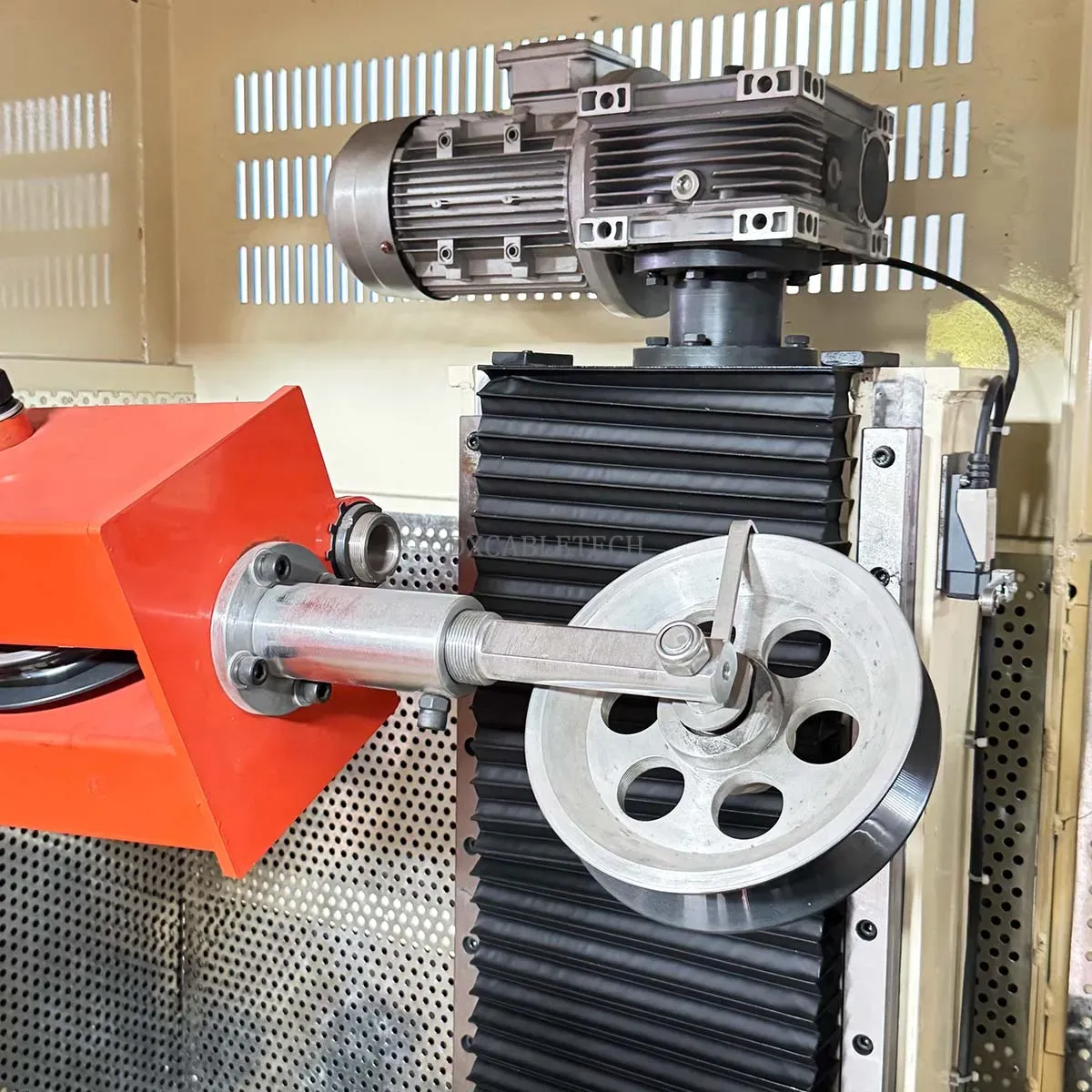
Explore the complete cable manufacturing system:
→ Cable Manufacturing Process & Equipment Guide